In Martinique, rain is never a disaster. Here we talk about “grains”: intense but brief tropical showers that often fall within a few minutes before the sun comes back out. Still, during the wet season (the “hivernage,” from June to November) or when a weather front passes through, you may run into an entirely grey day. The good news: the island is full of sheltered activities. Here is our local program, tried and approved, to turn a rainy day into one of the best memories of your stay.
Understanding Martinique’s Weather Before You Plan
Martinique lives to the rhythm of two seasons. The Carême (December to April) is the dry season, bright and ideal for beaches like Les Salines in Sainte-Anne. The hivernage (June to November) brings heat, humidity and more frequent showers, with a peak in cyclone risk between August and October.
A few useful reference points:
- Even during the hivernage, it rarely rains all day long: mornings are often clear, and the grains arrive in the afternoon.
- The Caribbean coast (leeward side) stays drier than the Atlantic coast and the North, which get more rain.
- The North (Montagne Pelée, Saint-Pierre) catches the clouds: if the sky clouds over, head down toward the South.
Our resident’s tip: always keep an indoor activity in your back pocket for each day. A car is strongly recommended on the island, and it becomes essential on a rainy day to link up covered visits without getting soaked.
6 Cultural and Foodie Visits Under Cover
1. The Rum Route and Its Covered Distilleries
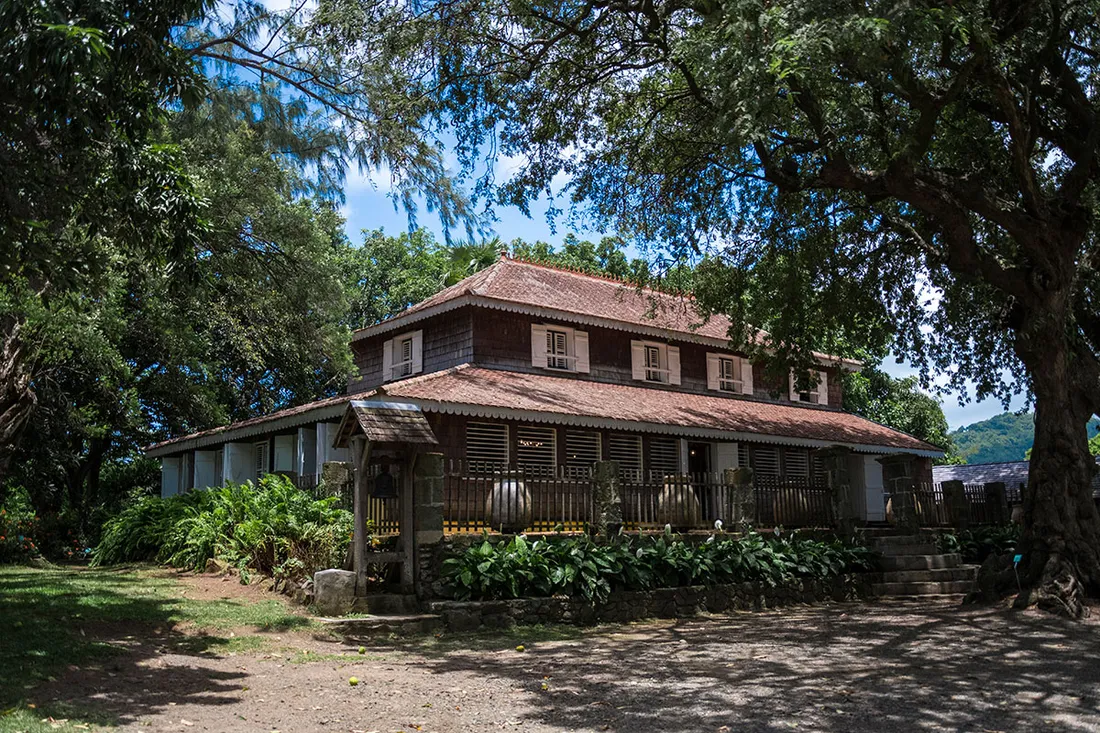
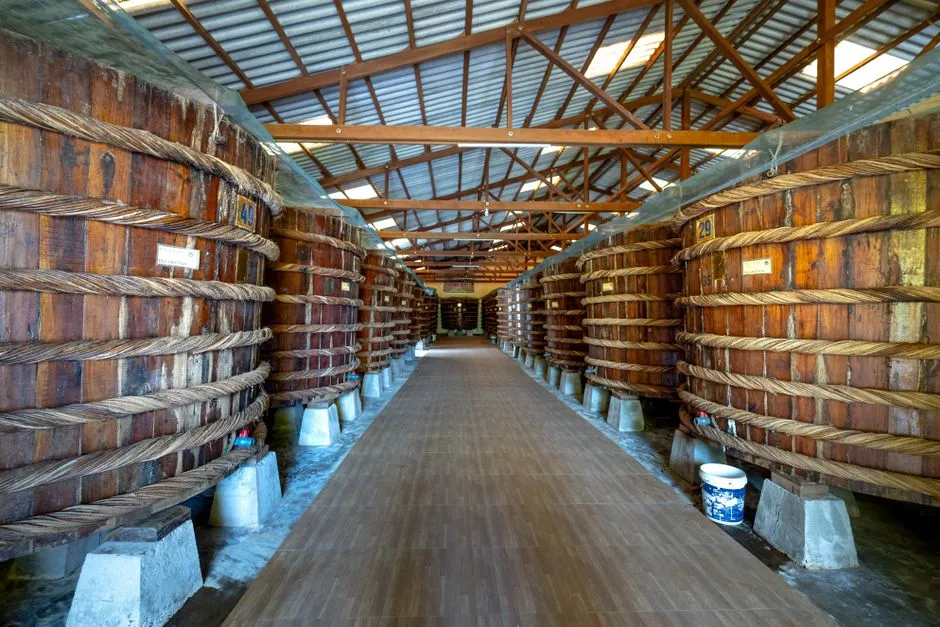
This is the star activity for a rainy day. Martinique produces the only agricultural rum in the world with an AOC designation, and most distilleries offer largely covered tours: aging cellars, museums, tasting rooms.
- Habitation Clément (Le François): an emblematic estate with a park, a Creole house and an art gallery. Budget 12 to 15 €, about 2 hours for the visit.
- Distillerie Depaz (Saint-Pierre), at the foot of Pelée: a château with a spectacular view, entry often free or modest.
- Saint-James (Sainte-Marie): a free rum museum and a little train (seasonal).
- La Mauny and Trois-Rivières (Sainte-Luce / Rivière-Pilote): friendly tastings, free access.
Responsible tasting and always a sober driver: strong spirits are best enjoyed in moderation.
2. The Museums of Fort-de-France
The capital (around 360,000 inhabitants across the whole island) concentrates some lovely cultural shelters. The Bibliothèque Schoelcher, a jewel of metal architecture, and the history and archaeology museums offer a dry journey into Martinique’s past. Expect 3 to 6 € for entry depending on the venue.
3. In the Footsteps of Saint-Pierre, the “Pompeii of the Caribbean”
Destroyed by Montagne Pelée in 1902, Saint-Pierre is a listed heritage site and a candidate for the UNESCO label. The Memorial to the catastrophe and the ruins (theatre, dungeon) can be visited even under a heavy sky. It is one of the most powerful emotions on the island.
4. Les Trois-Îlets and the Memory of Joséphine
In Les Trois-Îlets, the museum dedicated to Joséphine de Beauharnais, born on the island, and the pottery workshops of the artisan village will keep you busy for half a day in the dry. Ideal for families.
5. A Creole Cooking Class
There is nothing like a tropical grain to learn how to cook. Many hosts and chefs offer Creole cooking classes: cod accras, chicken colombo, sauce chien, homemade ti-punch. Budget 60 to 90 € per person, meal included, over about 3 hours. You leave with recipes to make again at home.
6. Covered Markets and Crafts
The Grand Marché de Fort-de-France (spice market) is largely covered: vanilla, cinnamon, chili peppers, bois bandé, woven baskets. Perfect for stocking up on souvenirs and flavors without fearing the shower.
6 Ideas for Relaxation, Wellness and Family
7. Spa and Treatments with Rum or Cacao
The island has developed a genuine range of spas inspired by local products. Treatments based on aged rum, cane-sugar scrubs, cocoa-butter massages: a rainy day becomes a wellness break. Budget 70 to 120 € for a one-hour treatment in a hotel or independent spa.
8. Aquarium and Discovering Marine Life
For families, the Aquarium de la Martinique (in Les Trois-Îlets) immerses young and old in Caribbean marine fauna: sharks, turtles, mangrove. Prices are around 12 to 16 € for adults, free for toddlers. Ideal for keeping children busy on a rainy morning.
9. Cinema, Bowling and Indoor Leisure
The commercial zones around Fort-de-France and Le Lamentin (near Aimé Césaire airport) house multiplex cinemas (films in French, sometimes in the original version), bowling alleys and game rooms. A simple, effective option when the rain settles in for good.
10. Chocolate and Cacao Tasting
Martinique is reconnecting with cacao. Some plantations and workshops offer covered visits and bean-to-bar chocolate tastings. A gourmet, original activity entirely under cover.
11. Creole Dance or Bèlè Drum Class
Why not take advantage of the rain to experience the culture from within? Associations and schools offer introductions to bèlè (traditional dance and drumming) or to the biguine. An authentic, warm immersion, and a lovely story to tell when you get home.
12. Reading, Games and Lazing at Your Accommodation
Sometimes, the best idea is to slow down. A covered terrace, the sound of rain on banana leaves, a good book, a ti-punch and a game of dominoes: this too is the Martinican art of living. Choosing a comfortable accommodation with a sheltered space changes everything on a rainy day.
Organizing Your Stay Around the Weather
To never have to put up with the rain, structure your days like this:
- Morning: outdoor activity (beach, hiking) while the sky is clear.
- Afternoon: keep a covered visit in reserve (distillery, museum, spa).
- During the hivernage: keep an eye on the Météo-France Antilles bulletins, especially in cyclone season (August–October), and stay flexible.
On the budget side, a 100% indoor day (distillery + Creole lunch + museum) comes to 40–70 € per person, transport not included. The car remains your best ally to link the dry South with the cloudy North.
Travel with Peace of Mind with Hostel Toucan
A successful stay in Martinique also means well-chosen accommodation and a responsive contact when the weather changes. At Hostel Toucan, a local concierge and vacation rental service, we know the island from the inside and adapt your days to the weather in real time.
- Direct booking, with no platform fees.
- Free cancellation up to 7 days before arrival.
- WhatsApp assistance 7 days a week, to point you toward the right indoor activity at the right moment.
To prepare your trip, check out our complete guide to Martinique, discover our vacation rentals in Martinique, and if you own a property, see how we support owners. Rain has never stopped anyone from falling in love with Martinique: you just need to know where to go.
FAQ
Does it rain a lot in Martinique, and in which season?
Martinique has two seasons. The Carême (December to April) is dry and sunny, ideal for the beaches. The hivernage (June to November) is more humid, with tropical showers (grains) that are often brief and a peak in cyclone risk between August and October. Even during the hivernage, it rarely rains all day long.
What to do in Martinique on a rainy day with the family?
The Aquarium de la Martinique in Les Trois-Îlets, the museums of Fort-de-France, a Creole cooking class, the cinema or the bowling alley near Le Lamentin are perfect with children. Visiting the Bibliothèque Schoelcher and the pottery workshops of Les Trois-Îlets also works very well under cover.
Can rum distilleries be visited when it rains?
Yes, it is even the ideal activity in rainy weather. The distilleries of the Rum Route (Clément, Depaz, Saint-James, La Mauny, Trois-Rivières) offer aging cellars, museums and tasting rooms that are largely covered. Expect anything from free admission to about 15 € depending on the estate, tasting included.
Do you need a car to keep busy on a rainy day in Martinique?
A car is strongly recommended year-round and becomes very useful on a rainy day to link up covered visits without getting soaked, and to move quickly from the cloudy North to the often-drier South, like the leeward Caribbean coast.